
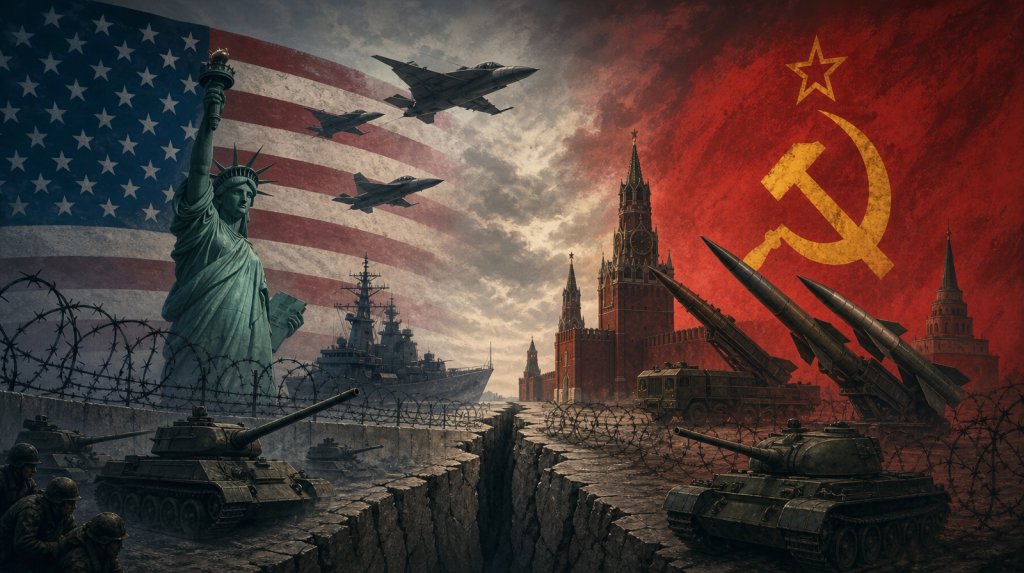
Cold War: Conflict and Its Impact on the World
The Cold War (1947-1991) became one of the most significant conflicts of the 20th century, defining the political map of the world. This period is characterized by tense relations between the United States and the Soviet Union, which laid the groundwork for numerous international crises.
Preconditions of the Cold War
The causes of the Cold War lie in deep ideological differences between the capitalist Western world and the communist East. After the end of World War II, both superpowers sought to expand their influence in the world.
Key Stages
- 1947: Truman Doctrine - the beginning of active confrontation.
- 1962: Cuban Missile Crisis - the peak moment of tension.
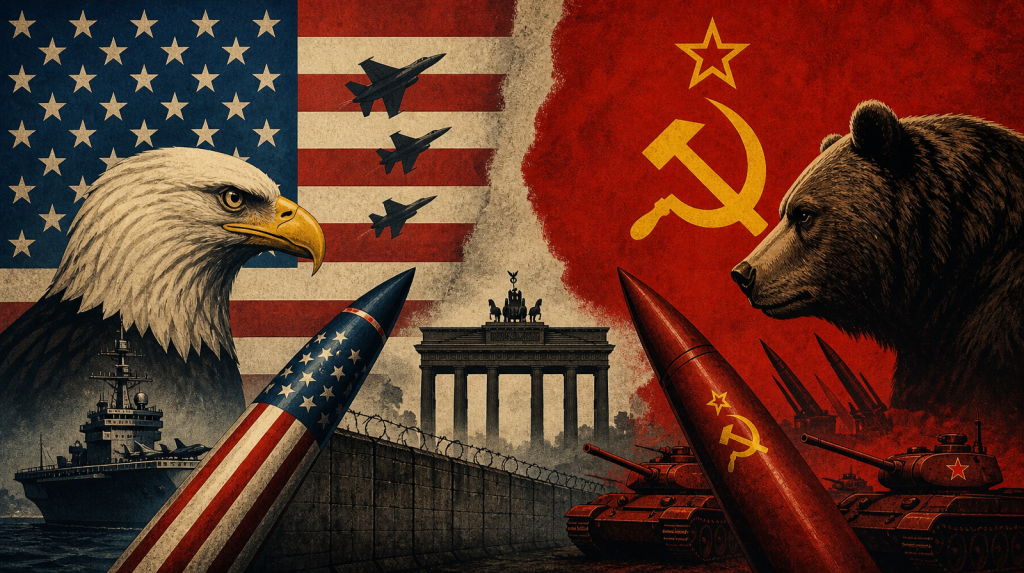
- 1989: Fall of the Berlin Wall - a symbol of the end of the Cold War.
"The Cold War was not only a conflict of armies but also of ideologies."
[:ai_image_2:]
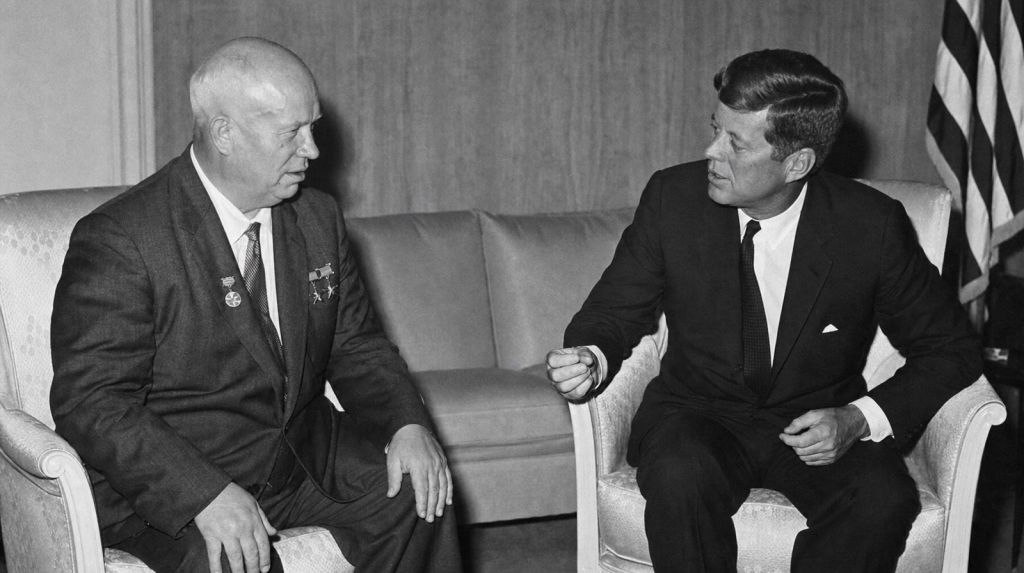
Consequences of the Cold War
The consequences of this conflict are still felt today. The political systems of many countries remain influenced by the events that took place during this period. For example, tensions between Russia and the West continue to this day.
Many modern conflicts have roots in the events of the Cold War.
[:ai_image_3:]
Connection to Modernity
The modern world still feels the effects of the Cold War. Conflicts in regions that were previously under Soviet influence, as well as relations between the USA and Russia, remain tense.
Additional Facts about the Cold War
The Cold War also led to the development of nuclear weapons, which changed the rules of international relations.
The main events of the Cold War shaped the political landscape of the modern world.
Understanding the Cold War helps analyze modern international conflicts.
Share this article on social media or copy the direct link.





Коментарі до “Cold War: Conflict and Its Impact on the World”