
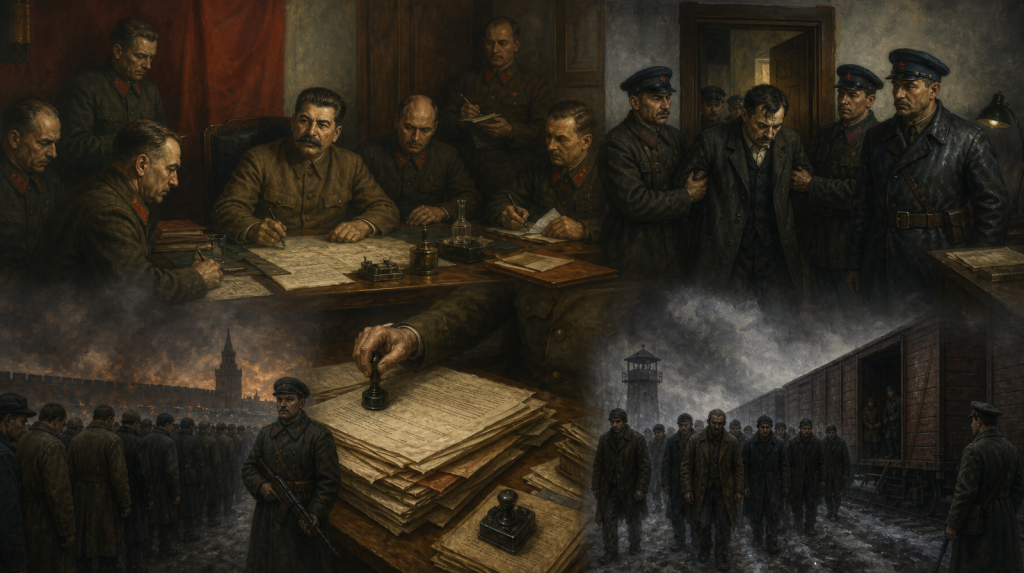
Stalin's Purge: Causes, Consequences, and Lessons
Introduction to Stalin's Purge
Stalin's Purge, which took place from 1936 to 1938, was one of the bloodiest periods in the history of the Soviet Union. It was a campaign aimed at destroying political opponents, both real and imagined, leading to mass repressions.
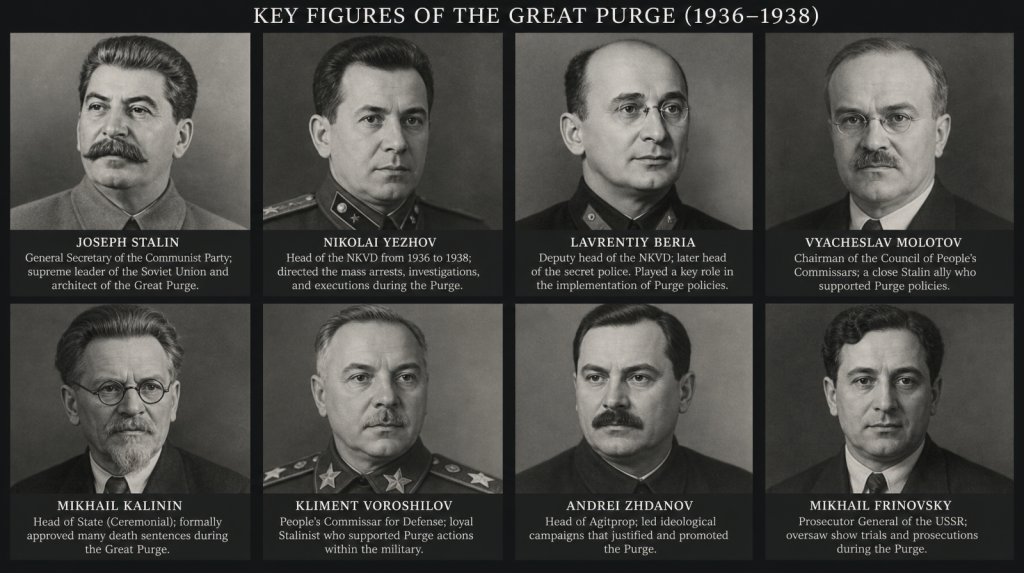
Causes and Preconditions
The main causes of Stalin's repressions were:
- Stalin's fear of possible attempts on his power.
- Desire to strengthen control over the party and the state.
- Political intrigues and rivalries within the party.
[:ai_image_2:]
Course of Events
Chronology of the Purge
The purge began with the so-called "First Moscow Trial" in 1936, when many prominent politicians were arrested and convicted. The trials were accompanied by brutal torture and confessions.
"Stalin's Purge became a symbol of the terror that prevailed in the Soviet Union".
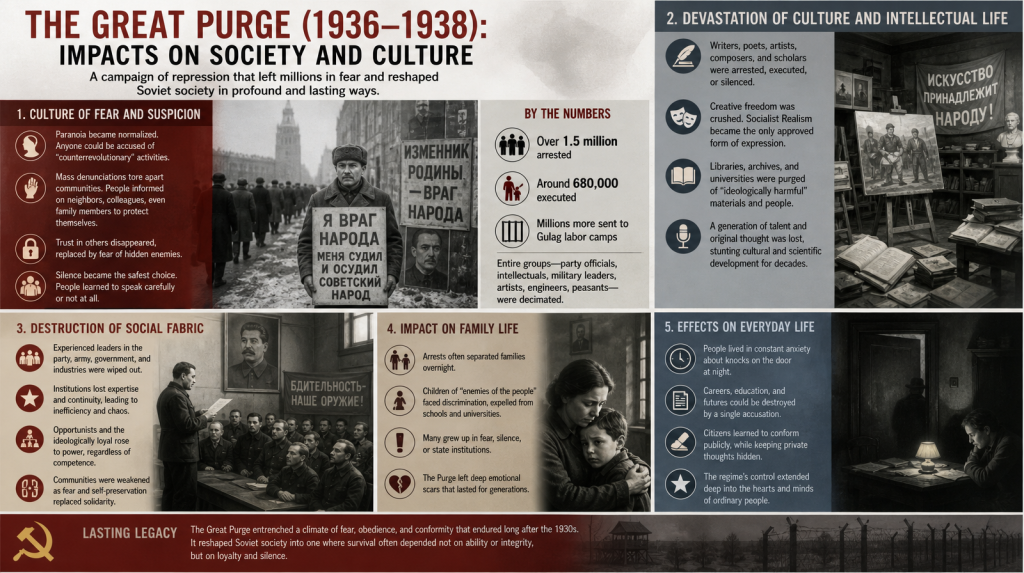
Consequences and Lessons
The consequences of the purge had far-reaching impacts on society, the economy, and culture:
- Destruction of the intellectual and cultural potential of the country.
- Creation of an atmosphere of fear, leading to self-censorship.
- Impact on the political history of the Soviet Union and its further development.
Stalin's Purge serves as a reminder of the dangers of absolute power and the absence of political freedoms.
Connection to Modernity
Studying Stalin's repressions helps to understand modern authoritarian regimes and the importance of protecting human rights. History teaches us about the necessity of open dialogue and preventing the repetition of such tragedies.
What is Stalin's Purge?
Stalin's Purge is a period of mass repressions that engulfed the Soviet Union from 1936 to 1938, during which thousands of people were convicted, arrested, or killed.
Share this article on social media or copy the direct link.





Коментарі до “Stalin's Purge: Causes, Consequences, and Lessons”